Catalog
Everything Here Is A Starting Point, Not A Fixed Size.
Dimensions, materials, hardness and configuration are set by your machine and your material. Use the families below to frame the enquiry.
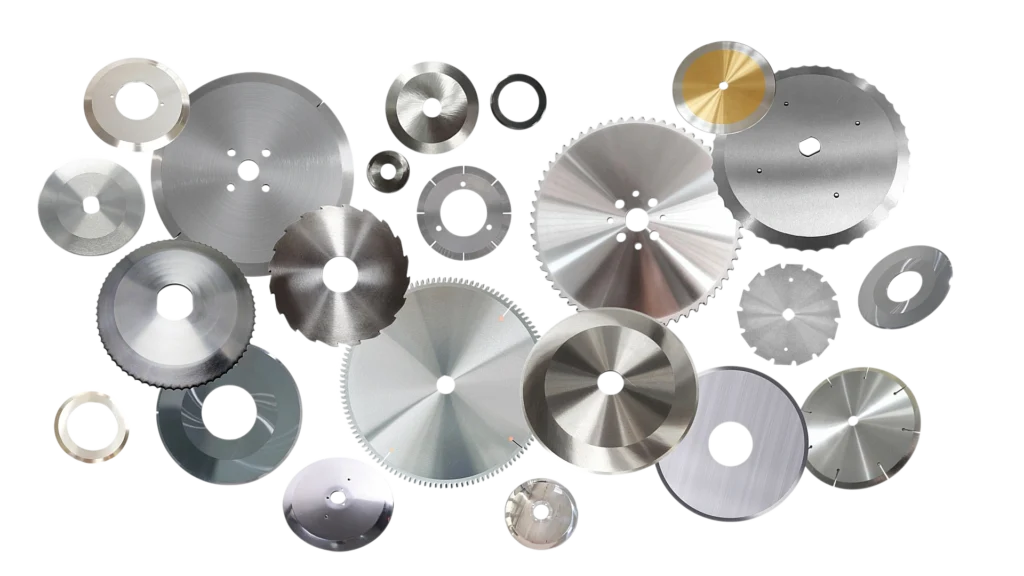
In detail
The Detail Behind Each Blade.
More on how these products are built, configured and finished — the parts of a blade that decide how it performs on your line.
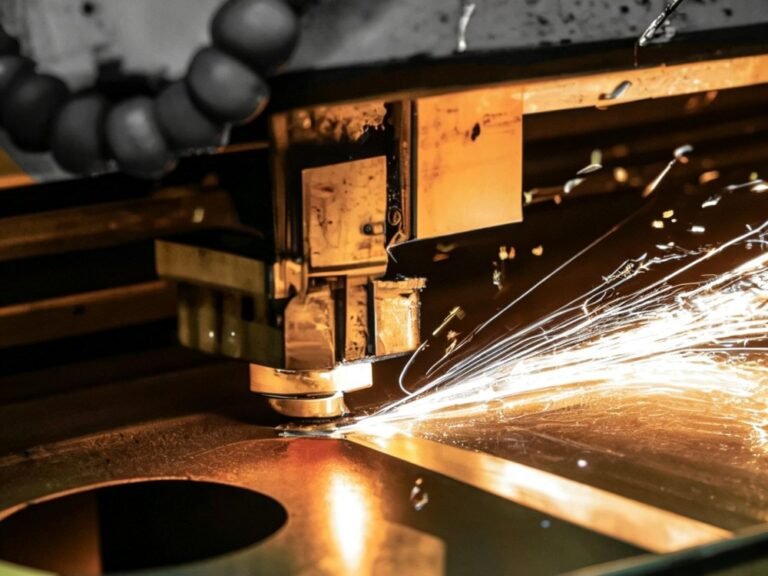
Material release & blanking
Certified stock is cut to size under coolant and recorded against your part number, so the steel in batch ten is the steel you approved in batch one.
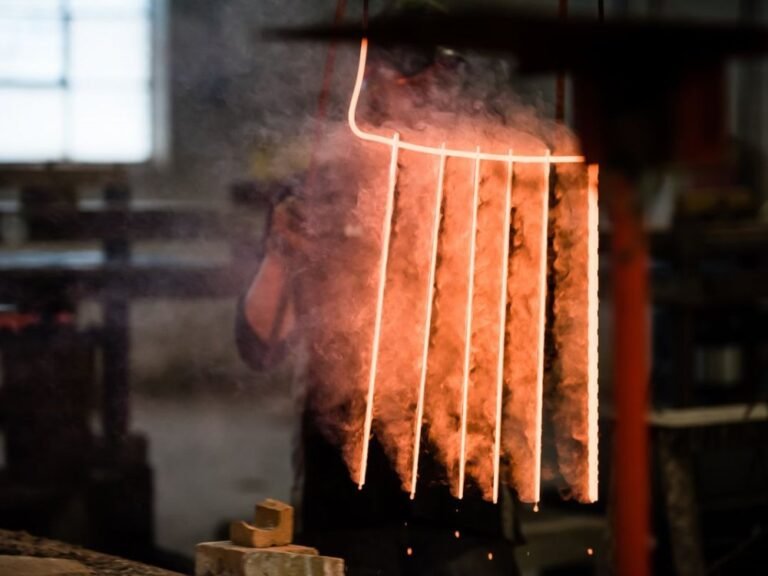
Heat treatment
Hardening and tempering to the agreed range, with stress relief where the geometry demands it. Hardness is tested and recorded, not assumed from the recipe.
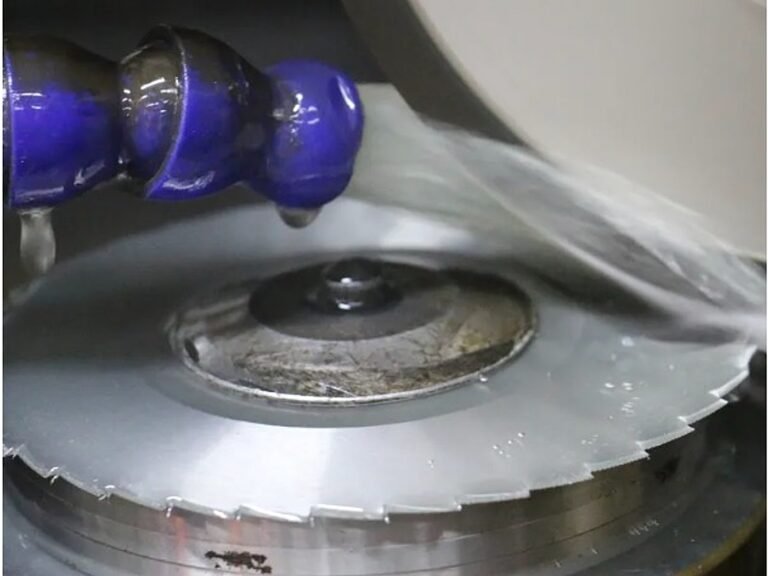
Tooth & profile grinding
Teeth and profiles are ground under flood coolant so the steel never overheats — the fastest way to lose the hardness you just paid to put in.
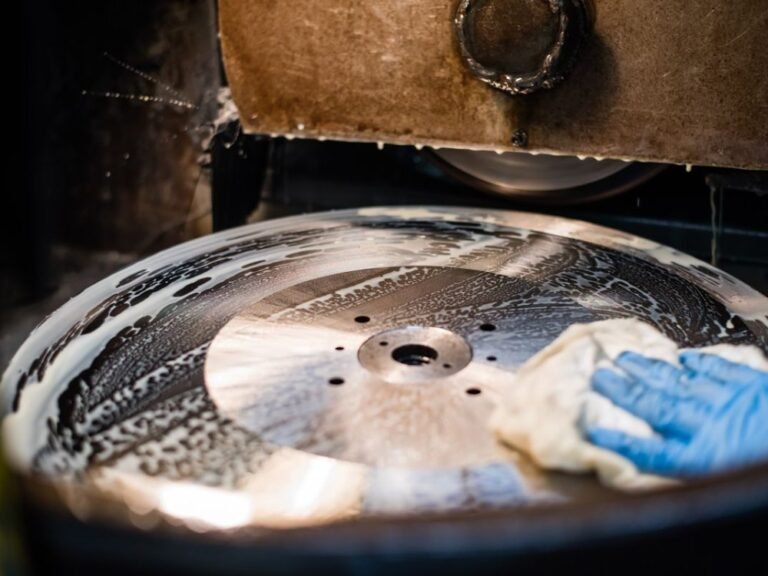
Lapping & surface finish
Faces are lapped flat and parallel, then finished to the specified surface. Flatness is what keeps a blade from tearing rather than cutting.
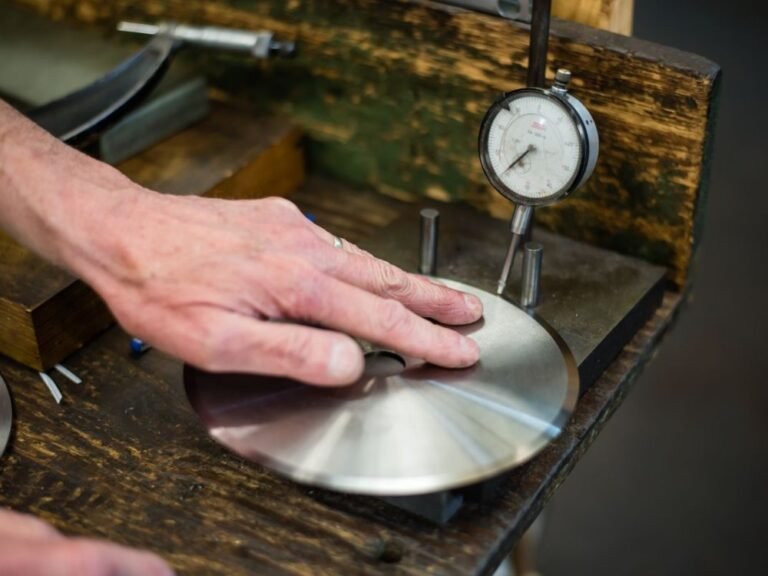
Inspection
Every blade is checked on the indicator for flatness, thickness and run-out against the approved drawing. The inspection record travels with the shipment.
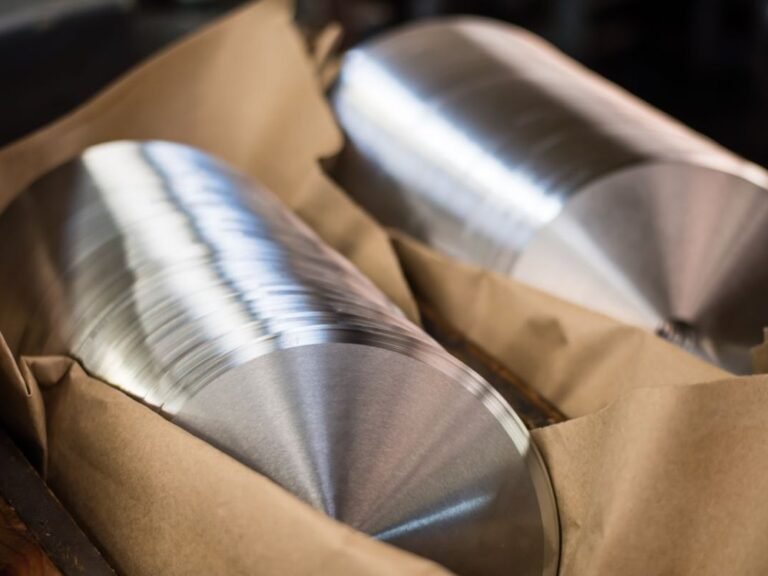
Protection & packing
Blades are rust-protected and interleaved so no two cutting edges touch, then cased for sea or air freight — an edge damaged in transit was never delivered.
Shredder & Crusher Blades
Industrial shredder blades built to survive contamination. For plastic recycling, rubber and tyre recycling, wood pallet recycling, metal scrap recovery and solid waste plants we set through-hardening depth and toughness against what actually enters the hopper, not against a catalogue ideal.
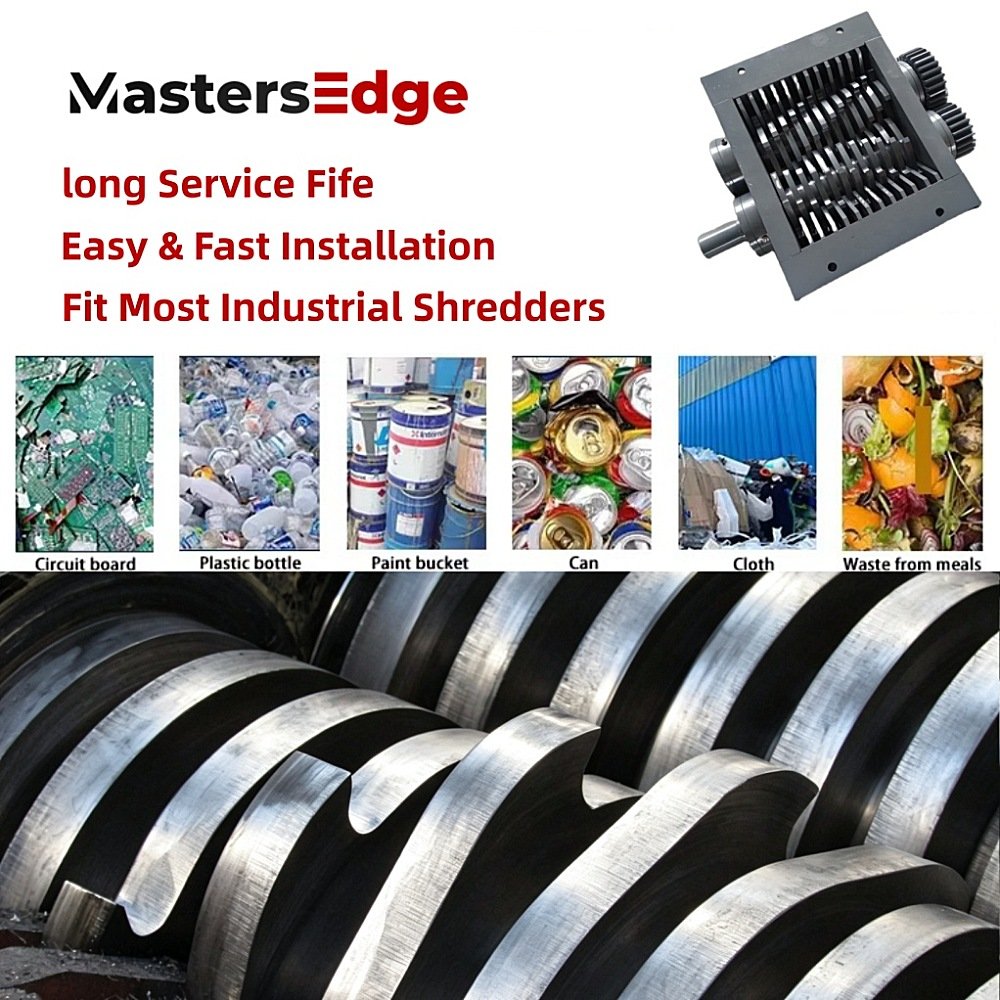
Typical applications
- Plastic recycling and regrind lines
- Rubber and tyre recycling
- Wood pallet recycling and wood waste
- Metal scrap and solid waste recycling
- Waste and solid waste processing
- Granulator and crusher retrofits
- Shredder machine manufacturers
Press Brake Tooling
Press brake dies and punches for sheet metal bending shops, CNC bending houses and tooling dealers. European, American and custom styles, segmented or full length, hardened where the tool actually works.
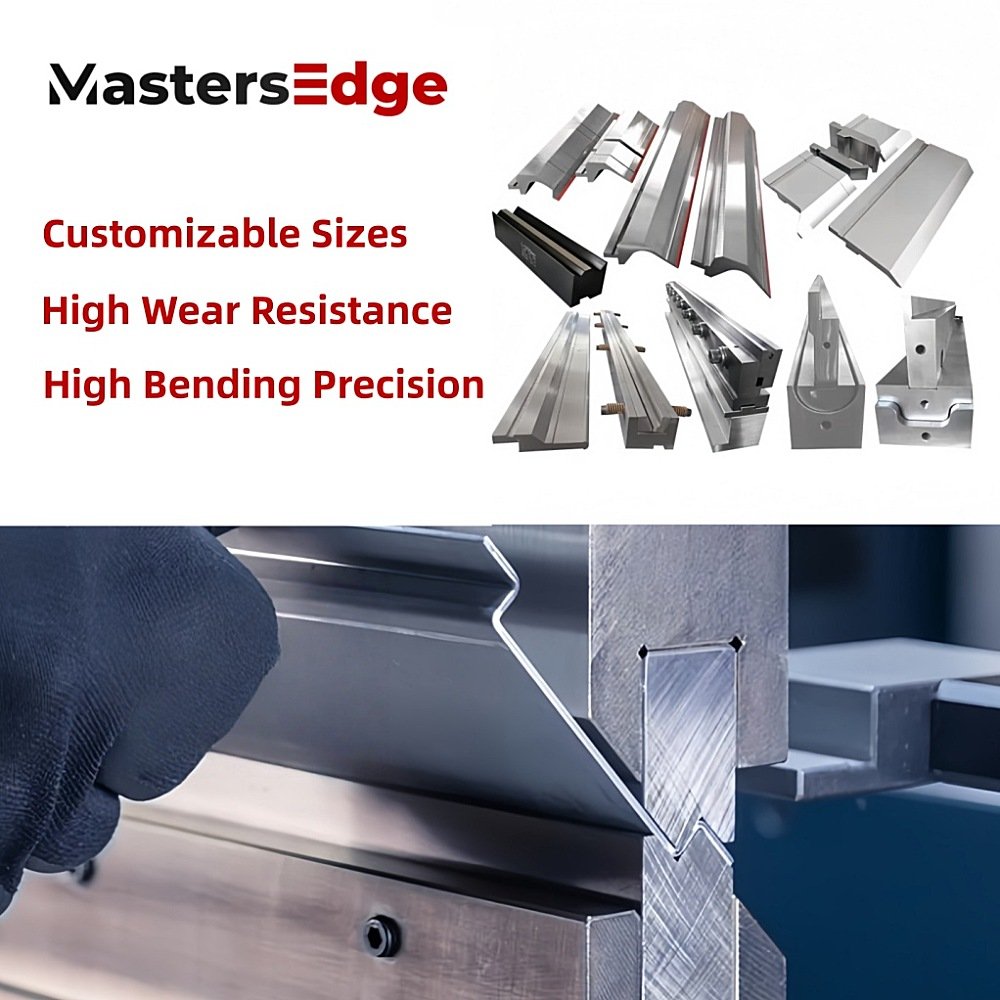
Typical applications
- CNC press brake bending
- Sheet metal enclosure and cabinet work
- Automotive and appliance panels
- Architectural metal forming
- Press brake tooling dealers and distributors
Food Processing Blades
Food cutting blades for meat processing, poultry processing, seafood, frozen block, fruit and vegetable and food packaging machinery. Wet, cold and cleaned daily — so corrosion resistance and edge retention are traded deliberately, not by accident.
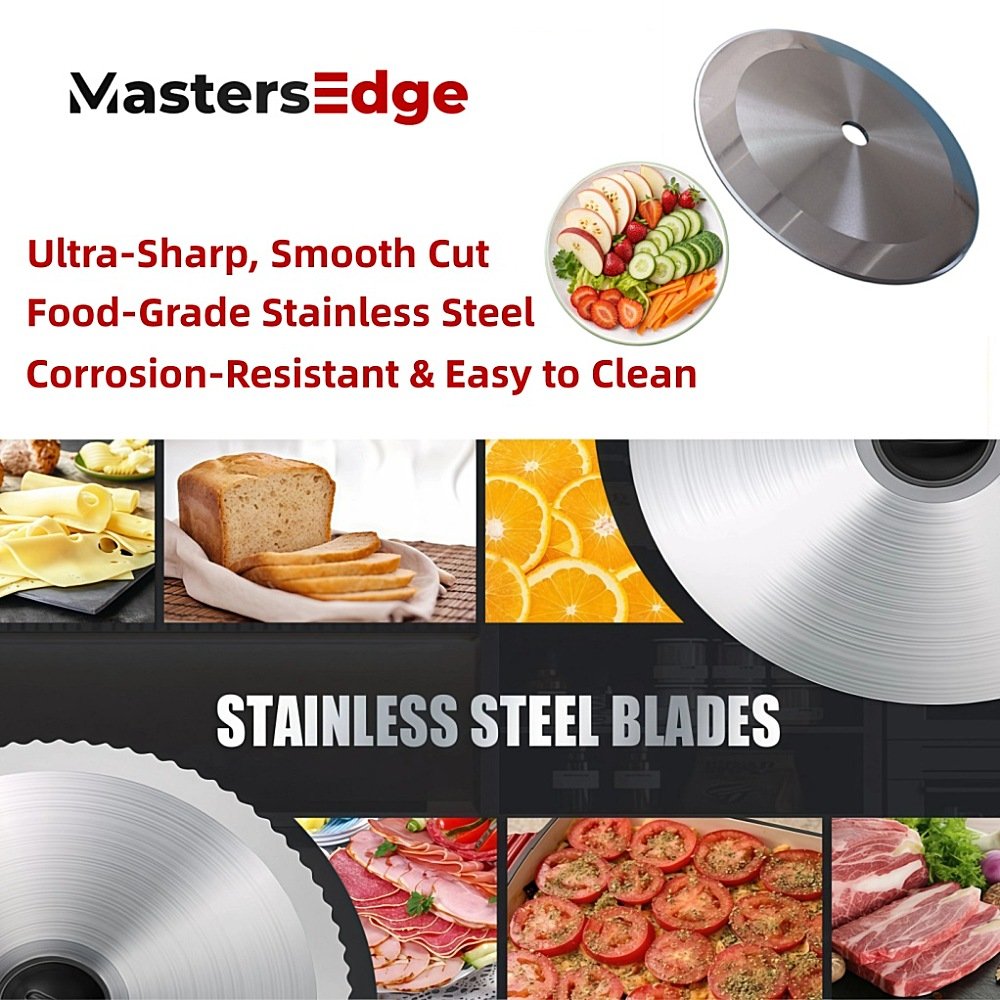
Typical applications
- Meat and poultry cutting and portioning
- Seafood and aquatic product processing
- Frozen block and flake lines
- Fruit and vegetable dicing and slicing
- Food packaging and portion machinery
Packaging & Printing Machine Blades
Serrated sealing knives, cross-cut blades and paper cutting blades for bagging, wrapping, labelling and printing machinery. Small parts where a hundredth of a millimetre decides whether the pack tears where it should.
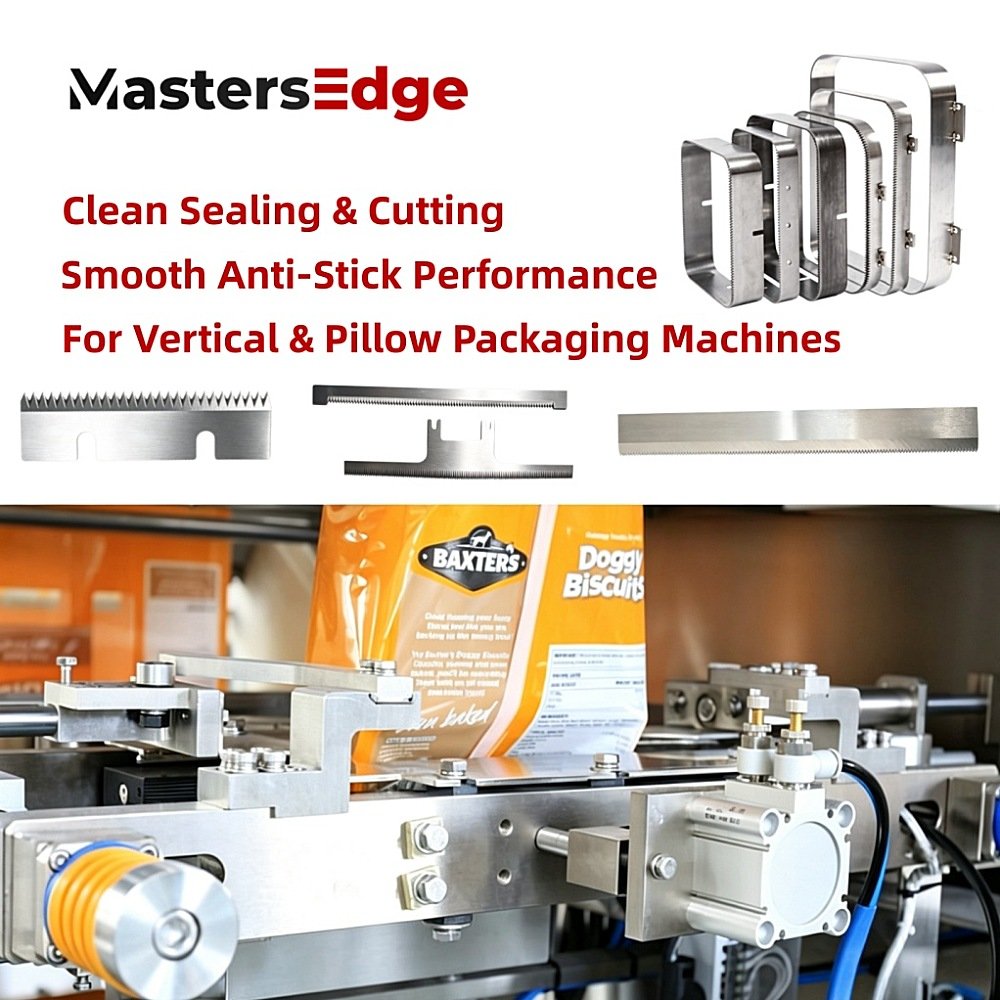
Typical applications
- VFFS and HFFS bagging machines
- Wrapping and sealing lines
- Label and print finishing
- Paper guillotines and trimmers
- Corrugated and carton converting
Food Circular Knives
Circular knives for food cutting and portioning, including kebab and grilled meat slicer blades, cheese and bread wheels, and rotary knives for fish and vegetable lines. Plain, scalloped and toothed edges, cut to your bore and drive pattern.
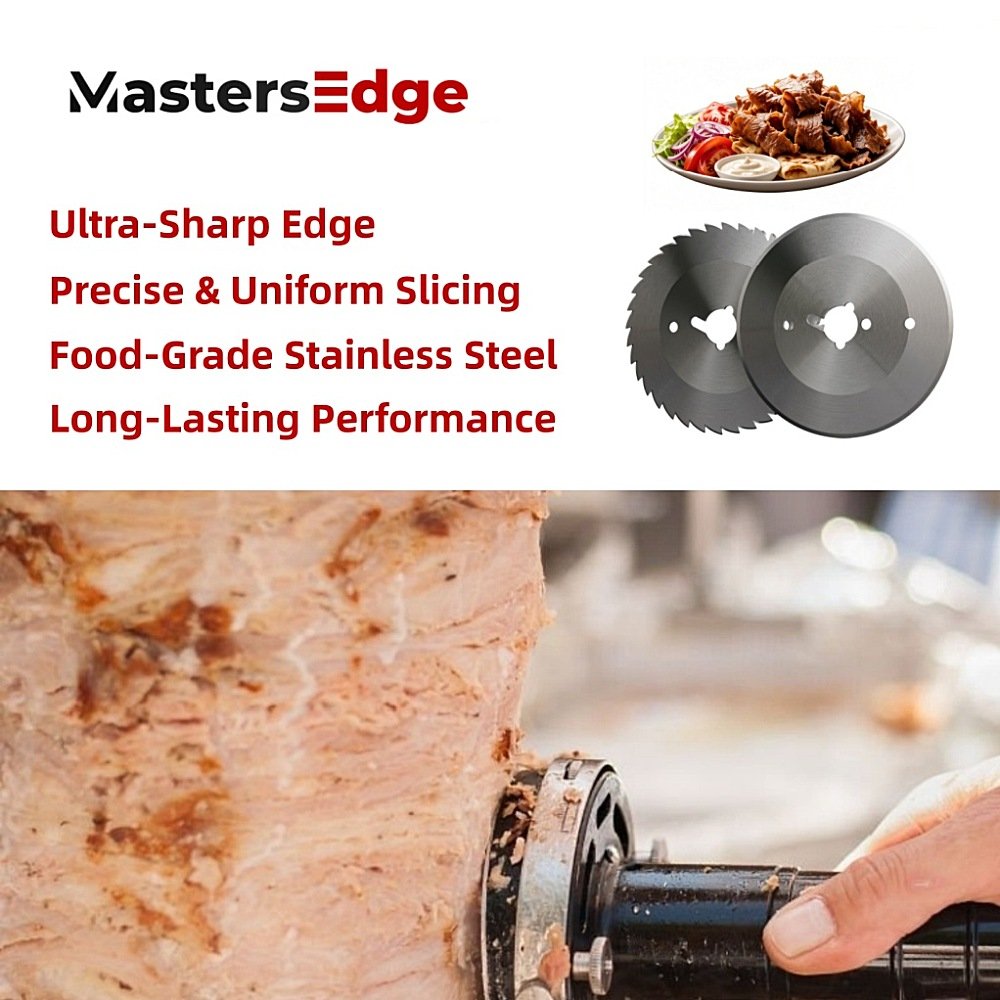
Typical applications
- Kebab, gyros and grilled meat slicers
- Meat, poultry and fish portioning wheels
- Cheese, bread and confectionery cutting
- Fruit and vegetable rotary slicing
- Food machinery builders and spares
Industrial Slitting Blades
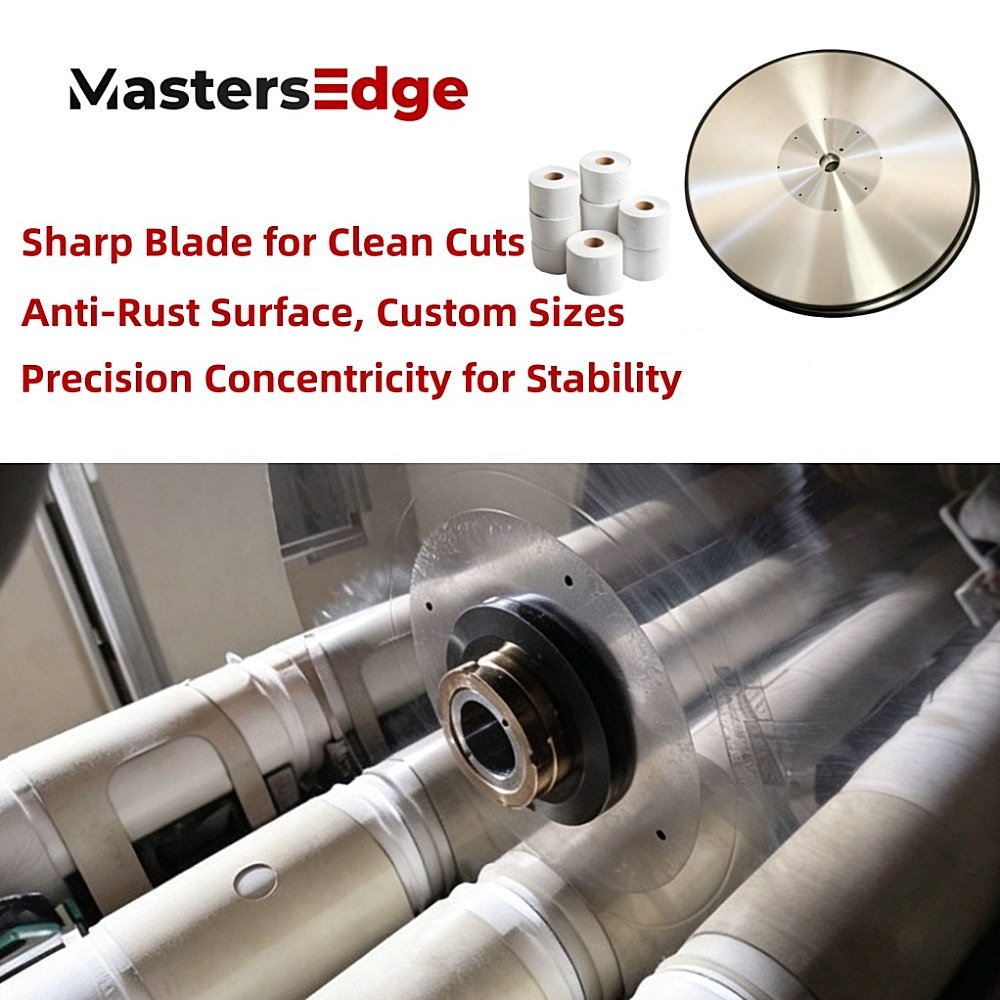
Top and bottom knives for paper slitting, film slitting, foil and nonwoven lines. We control concentricity, flatness and edge finish because those three decide whether your web edge is clean or dusty.
Typical applications
- Paper and board slitter rewinders
- Toilet paper and tissue slitting lines
- BOPP, PET and PE film slitting
- Aluminium foil and laminate converting
- Nonwoven and hygiene web lines
- Tape and label slitting
Carbide Slitting Blades
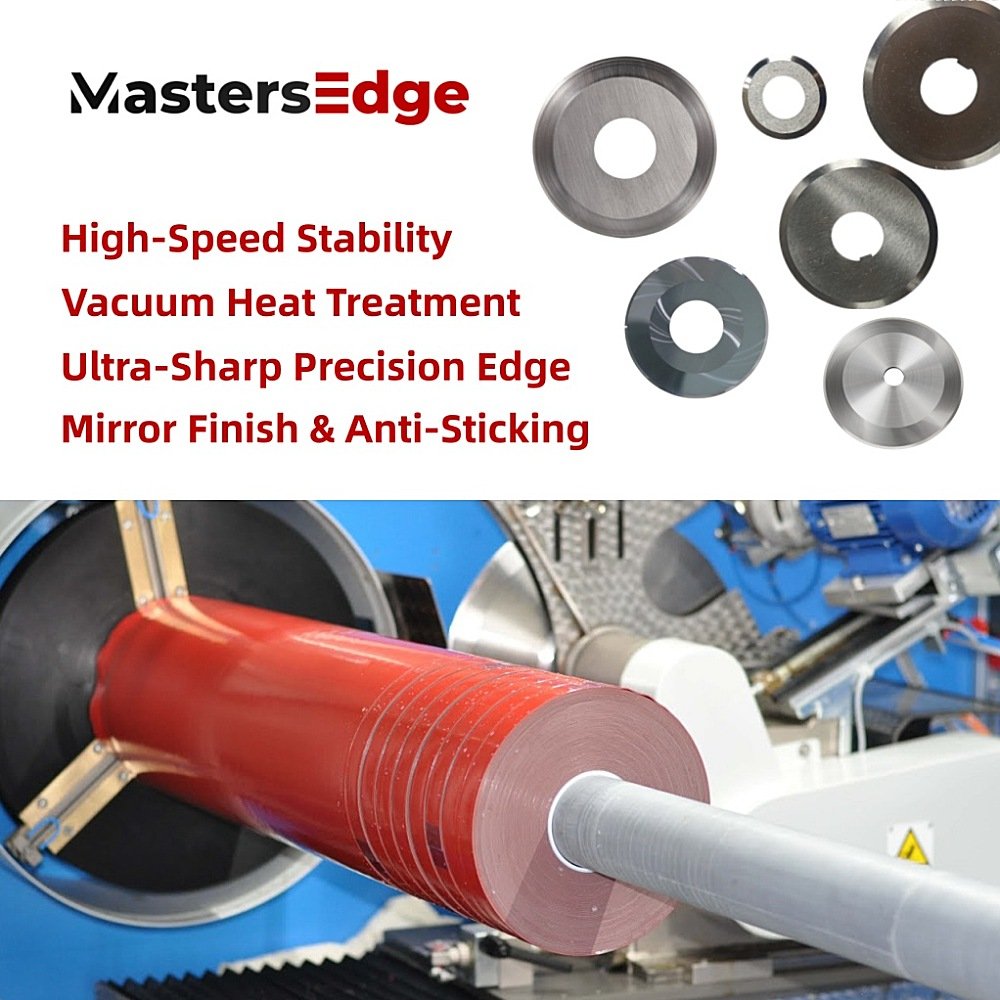
When steel is being changed too often to be economic, tungsten carbide changes the maths. Carbide slitting blades run through abrasive film, filled laminate and nonwoven for many times the interval — with grinding done on carbide-capable machines.
Typical applications
- Abrasive filled film slitting
- Glass-fibre and composite tape
- Nonwoven and geotextile
- Battery and electronics web slitting
- High-speed continuous lines
Small Shredders
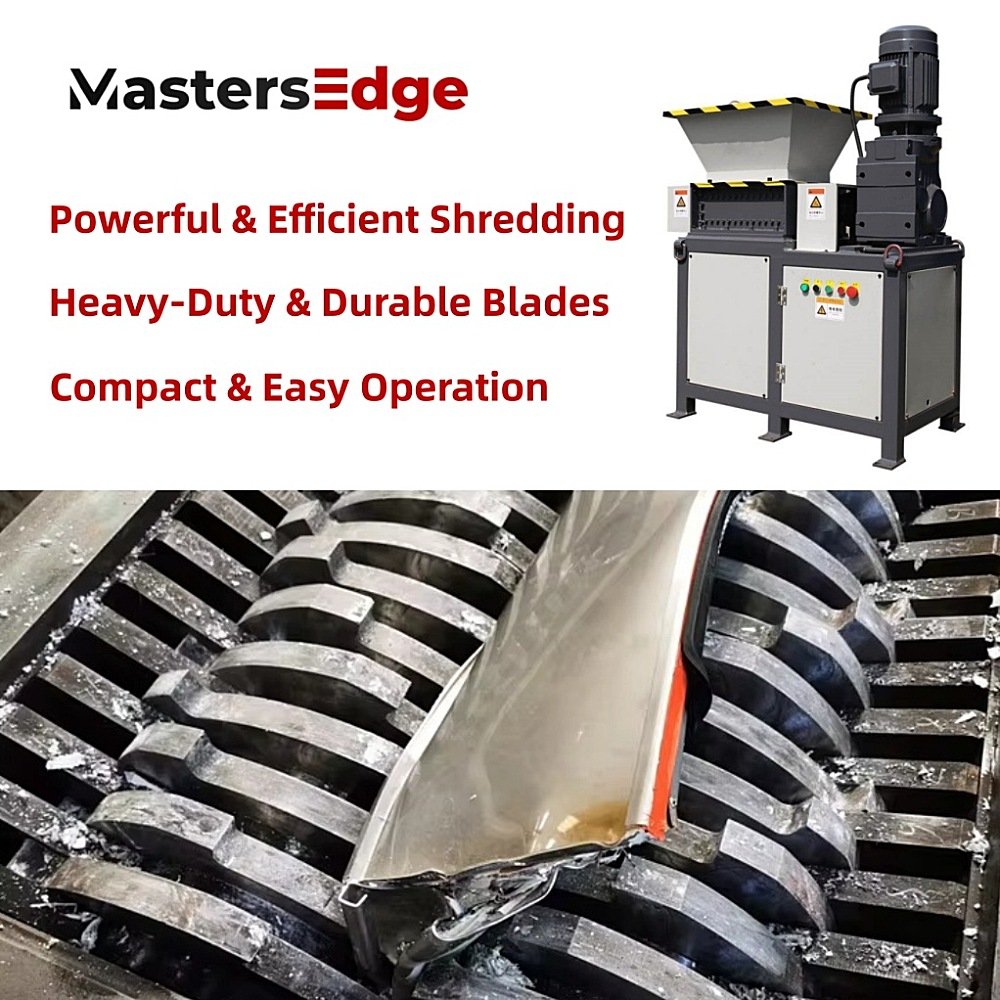
Complete compact shredder machines, not just the blades inside them. Single-shaft and twin-shaft units for workshops, laboratories, small recycling operations and in-house waste reduction — plastic, film, purge and sprue, wood, cable, e-waste and light metal scrap. Built around our own blades, so the wear parts are always available from the people who made the machine.
Typical applications
- In-house plastic waste and regrind recovery
- Injection moulding purge and sprue reduction
- Small-scale recycling operations
- Wood, cable and e-waste reduction
- Laboratory and pilot-line trials
- Confidential product and material destruction
Non-standard blades
Non-standard Work Is The Majority Of What We Make.
Obsolete machines, unbranded imports, discontinued sizes, blades nobody stocks. Send us the specification and we will confirm it with you and quote it.